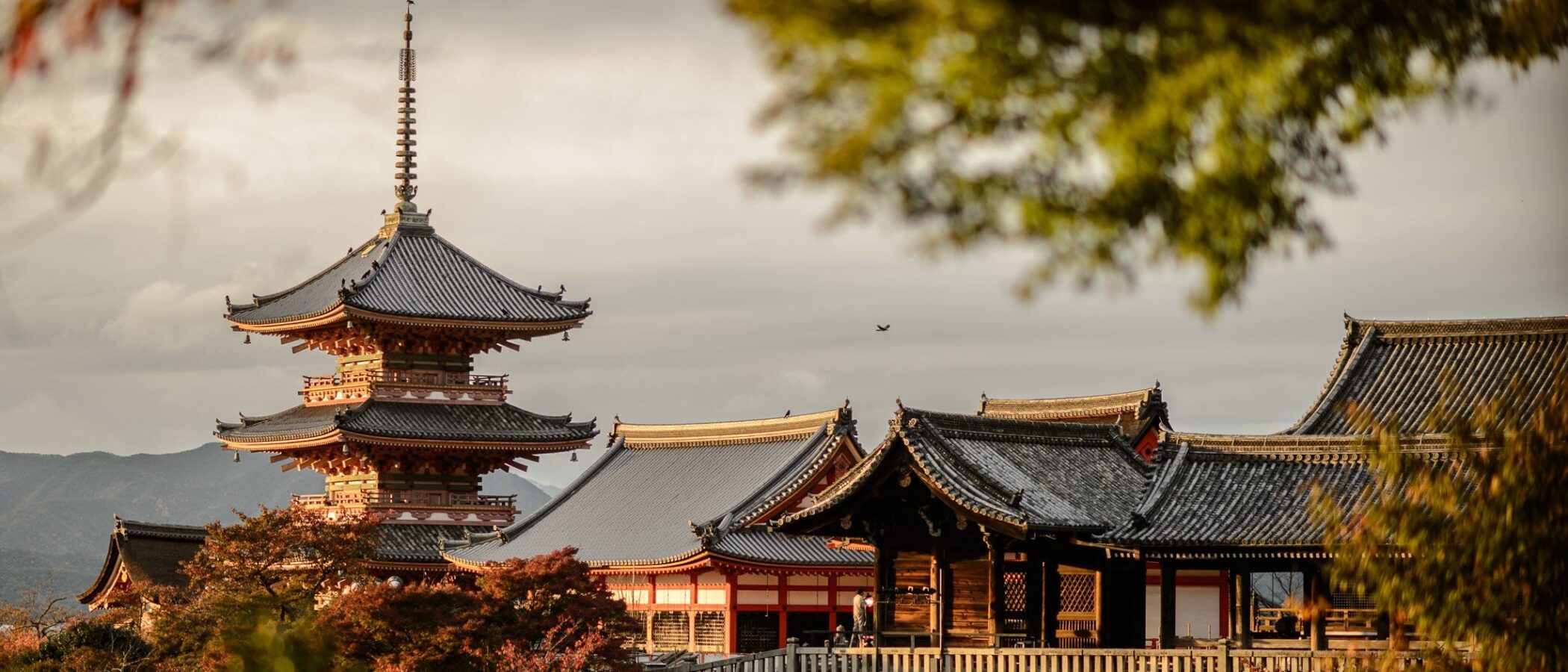
bites abroad
Our previous intern Jordan '26 explored Korea and Japan's culinary scene—from local recipes to hidden restaurants—sharing ideas that helped inspire our dining program at Elon.
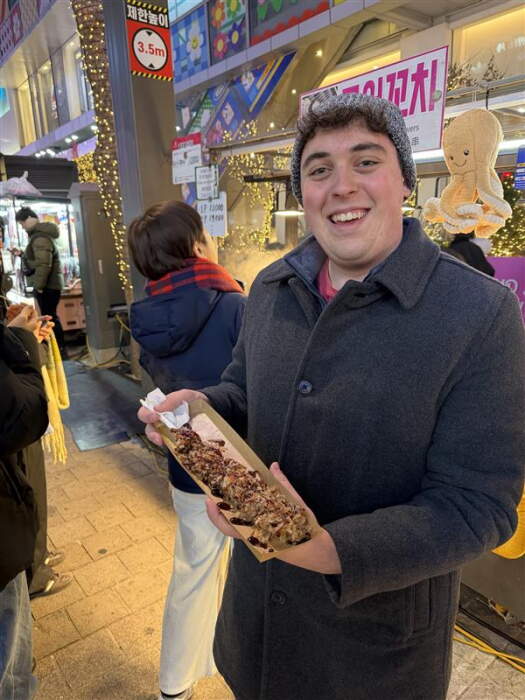
Meet Jordan
Meet Jordan Huff ’26, our awesome previous Elon Dining intern from Connecticut. He’s a Marketing major who studied abroad in Korea and Japan. While we definitely missed him on campus, we loved the chance to follow his food-filled journey abroad.
Each week, Jordan explored the local culinary scene by trying traditional recipes, visiting hidden food markets, experiencing omakase, and capturing it all through video and writing. He also kept a detailed food journal, and you can still find each week’s entry right here.
Check out his videos on the Elon Dining Instagram and see how his global discoveries inspired new flavors in our dining program.
Intro Journal: Bites Abroad
Hey everyone, I’m Jordan Huff. Some of you might know me as Jordan the Intern. I’m a senior at Elon University and I work as a marketing intern with Elon Dining. A lot of what I do on campus revolves around food. I help create content, manage menus, promote events, and think about how dining experiences are communicated to students. Food has become something I work with every day, not just something I eat.
This trip was a three-week study abroad experience in South Korea and Japan. I spent one week in South Korea, primarily in Seoul with time in Busan, followed by two weeks traveling through Japan, including stops in Osaka, Kyoto, Nagano, Hiroshima, and Tokyo. Throughout the trip, I explored a wide range of food environments alongside each location, from street food and markets to cafes and sit-down meals. Food became a consistent part of how I experienced each place, offering a way to understand local culture, daily routines, and regional differences. This journal documents the locations I visited, the foods I tried, and the dining experiences that stood out to me along the way.
Journal Entry 1:
First Food Experiences in Seoul
Getting to South Korea after such a long flight felt unreal. After thirteen hours of travel, food was the first real way I connected with where I was. Almost immediately, everything felt new. The streets looked different, the smells were stronger, and I felt wide awake even though my body was exhausted.
One of the first areas I explored was Insadong. It is known for its cultural feel, souvenir shops, street food, and art. Walking through the streets felt slower and more traditional compared to other parts of the city. It was a good introduction to Seoul. While there, I had a beef rib stew made with soy sauce and braised short ribs. The beef was extremely tender and full of flavor. One thing that surprised me was the rice cake noodle in the dish. The texture was chewy and very different from what I am used to, but it worked well with the broth and meat.
After spending some time walking around and looking at shops, I went to Myeongdong Night Market. It was only a short walk away but felt completely different. The area was packed with people and vendors selling all kinds of food. The energy was intense but exciting. One of the first things that caught my attention was a whole grilled squid. Watching it cook over an open flame made it impossible to ignore. Trying it was a little intimidating at first, but it tasted smoky and slightly spicy. You could really taste the fire. It felt bold and very fitting for my first night.
Later, I tried fluffy pancakes topped with Nutella and strawberries. They were soft, creamy, and sweet. It was a good contrast to the savory street food earlier. This first set of food experiences made me realize how central food is to everyday life in Seoul. It also made me excited for everything still ahead.
Journal Entry 2:
Cafes and Learning to Cook Korean Food
Spending time in Seoul made it clear that cafe culture is a huge part of daily life. One place that stood out was Belief Coffee Roasters, a hidden cafe with a large seating area, especially downstairs. It felt calm and welcoming. I ordered a vanilla latte and a strawberry tiramisu. The latte was easily one of the best I have ever had. It was smooth and not overly sweet. The strawberry tiramisu was light and refreshing and did not feel heavy at all. Sitting there with friends and trying different drinks made the experience feel relaxed and comfortable.
Later, I took part in a Korean cooking class, which gave me a deeper understanding of the food I had been eating. We made japchae and kimbap. Japchae is a glass noodle dish with vegetables like carrots, onions, and mushrooms. Each ingredient is cooked separately before being combined. That process showed how much care goes into a dish that often looks simple. Kimbap was also really fun to make. Rolling the rice, vegetables, and fillings together took more patience than I expected. My roll included ham, eggs, and imitation crab.
Cooking these dishes myself made the food feel more personal. It helped me understand Korean food as something meant to be shared and enjoyed together. It was not just about taste but also about the process and the care behind it.
Journal Entry 3:
Barbecue, Markets, and Nightlife
Trying Korean barbecue for the first time was a highlight of my time in South Korea. Sitting around the table and cooking the meat together made the meal feel very social. The meal started with banchan, which are small side dishes served with the main food. They added variety and balance and made every bite different. Cutting the steak with scissors and cooking it at the table felt interactive and fun. As the Elon Dining intern, I liked getting to cook the meat myself. The steak tasted even better because of that.
I also spent time exploring a food market in Busan. Markets feel like the heart of a city. They are loud, busy, and full of life. One of the most memorable things I tried there was kimchi dumplings. I had never seen them before. They were savory, slightly spicy, and had a strong kimchi flavor that really stood out.
Another dish I tried was bindetuk, a mung bean pancake. I tried two versions, one with shrimp and one with seafood and scallions. Both were good, but the shrimp one was my favorite. It was crispier and had more of the pan fried texture I was hoping for.
Later, I went to a hidden speakeasy that had a zodiac theme. Finding the entrance felt like discovering a secret. Walking through a long tunnel and into a mirrored hallway with lights felt surreal. Each drink represented one of the zodiac animals. I chose the rabbit cocktail, which was made with a traditional Korean liquor, plum, yogurt, and blue lemon. It was smooth, refreshing, and slightly tangy. It was a reminder that Korean food and drink culture blends tradition with creativity in unexpected ways.
Journal Entry 4:
Exploring Cafe Culture in South Korea
Cafe culture in South Korea feels intentional and thoughtful. It is about more than just coffee. One of the first cafes I visited was Susanghan Bagel, also known as Suspicious Bagel. The interior was warm and beautifully decorated. There was plenty of seating and an upstairs balcony where we sat. We tried several bagels, including strawberries and cream, bacon and green onion, and garlic cream cheese. I ordered a butterscotch latte, which paired really well with the savory bagels.
All three bagels were good, but the strawberries and cream bagel was my favorite. It felt lighter and fresher than the others. It did not feel too heavy, which made it easy to enjoy alongside coffee.
Another cafe I visited was Sinleedoga, which is located inside a traditional Korean hanok. The cafe opened into a quiet courtyard with a small fire, natural wood, stone details, and soft lighting. It felt calm and peaceful. I tried a green tea bear cake. It was cold and almost ice cream like, which surprised me. The matcha flavor was strong but not too sweet. The presentation made it even more enjoyable.
The last cafe I explored was Leedorim. This was one of the most visually impressive cafes I have ever been to. Inside, there is a giant moss covered mountain with water dripping down and fog filling the space. It made the cafe feel immersive and cozy at the same time. I ordered a strawberry matcha latte made with fresh strawberry puree. One thing I noticed across all these cafes was the quality of the fruit. The flavors felt brighter and more vibrant than what I am used to at home.
Spending time in these cafes made me realize how much care goes into creating experiences around food and drink in South Korea. Every place felt designed to make people slow down and enjoy where they are.
Journal Entry 5:
Last Stops in South Korea
One of the more unexpected food experiences in South Korea came from a rest stop. When I first heard we were stopping there for lunch, I was honestly a little skeptical. I was not sure what to expect, and it felt strange to think a rest stop meal could be memorable. That changed almost immediately once I saw the food options. I ended up getting donkatsu and jaeyok bokkeum, and the meal came with a full spread of sides. There was rice, cabbage salad, pickled daikon, soup, and kimchi, all laid out together.
The jaeyok bokkeum stood out the most. It is a spicy stir fried pork dish made with gochujang, garlic, onion, and thinly sliced pork. It had a strong kick, but it was balanced well with savory and slightly sweet flavors. It was bold without being overwhelming. That meal completely changed how I think about rest stop food. It felt just as thoughtful and complete as meals I had in restaurants, which says a lot about how seriously food is taken here.
Our last stop in Korea before flying to Japan was a small cocktail bar called Cobbler. It was tucked away down a quiet alley and set inside a traditional Korean house. Walking in felt calm and intimate. The lighting was low and warm, and the space felt cozy right away. When you sit down, they bring out a small apple cobbler, which immediately sets the tone and makes the experience feel personal.
There is no menu at this bar. Instead, you talk with the bartender about what you like and what kind of experience you are looking for. I told him I prefer drinks that are not overly sweet. He came back with a strawberry Negroni, which was a twist on the classic cocktail. It ended up being one of the best drinks I had on the entire trip. It kept that traditional Negroni bitterness but added a smooth strawberry note that did not feel sugary. It felt balanced and intentional, and it was the perfect way to end our time in South Korea.
Leaving Korea the next day was bittersweet. The food alone made the country unforgettable. I tried far more than I expected, from savory dishes that leaned sweeter than what I am used to, to meals that fully embraced heat and spice. Having my first real Korean barbecue experience in Korea is something I will always remember. Even after a full week, it felt like I had only scratched the surface. South Korea left a lasting impression on me, and I know I will be back. As hard as it was to leave, it also felt exciting to turn the page and head into the next chapter of the trip. Next stop was Osaka, Japan.
Journal Entry 6:
First Bites in Japan
Landing in Japan felt like stepping into a completely different rhythm. My first real food experience was in Dotonbori, one of the busiest and most iconic food streets in Osaka. The area is known for its massive storefront signs, bright lights, canal views, and nonstop street food. It felt electric. Everywhere you looked there was something cooking.
One of the first things I tried was takoyaki. Watching it being made was honestly just as good as eating it. The vendor poured a light batter into special pans and added pieces of octopus into each section. Then they used small metal picks to flip each piece over and over, pulling in the edges and spinning the batter until it formed perfect little round balls. It looked effortless but precise at the same time.
We ordered the classic version. It was topped with a sweet and savory sauce, a drizzle of mayo, powdered green seaweed, and a thick layer of bonito flakes that were literally moving from the heat. The flavor was a mix of sweet, salty, and slightly smoky. The texture stood out the most. The outside had a light crisp, but the inside was soft and almost custard like. When you bite into it and see the octopus in the center, it feels like the full experience of Japanese street food in one bite.
Dotonbori is the kind of place you could spend hours in. There are so many food spots and shops packed into one area, and everything lights up at night. I definitely wish I had more time there because it felt like every corner had something new to try.
The next morning, we took a trip to Hiroshima and stopped for lunch to try Hiroshima style okonomiyaki. I had heard of okonomiyaki before, but seeing how it is made in Hiroshima was completely different than I expected. Instead of everything being mixed together, it is cooked in distinct layers on a large flat grill. It starts with a thin batter base, then a huge pile of cabbage, followed by noodles, egg, and whatever toppings you choose.
I ordered a seafood version with shrimp and squid. What stood out to me was how all the layers worked together. The cabbage added texture, the noodles made it filling, and the egg tied everything together. The sauce on top added a slightly sweet and savory flavor that pulled the whole dish together. Every bite felt balanced and satisfying.
Starting my time in Japan with street food in Osaka and a traditional layered dish in Hiroshima immediately showed me how regional food can be. Even within just a short distance, flavors and preparation styles felt distinct. It made me excited to see what the rest of Japan would bring.
Journal Entry 9:
Katsu and Mount Fuji
Trying katsu in Japan was something I had been looking forward to since before the trip even started. I have had katsu in the United States plenty of times, usually at Japanese restaurants or casual spots that serve it with rice and curry, but I wanted to see how it compared in the country where it originated. The restaurant we went to had a really unique interior that made the experience feel special right away. In the center of the dining room there was a small Zen garden with a tree growing out of it. Seeing something like that inside a restaurant was unexpected, and it made the whole space feel calm and thoughtfully designed.
I ordered the pork katsu curry. Japanese curry has a very recognizable flavor that is different from other curries I have had. It is savory with a slight sweetness and has a thick, comforting texture. The plate came with rice, shredded cabbage, and miso soup, which made the meal feel complete and balanced. The katsu itself was the highlight. The crust was extremely crispy, almost crackling when you cut into it, while the pork inside stayed tender and juicy. The contrast between the crunchy exterior and the soft meat inside made every bite really satisfying. It was also interesting comparing it to versions I have had in the U.S., which are usually good but never quite as crisp or balanced as this one was.
The next day we took a trip to see Mount Fuji. Seeing it in person was honestly surreal. It is one of those landmarks you see in photos all the time, but standing there and seeing it rise above everything around it feels completely different. We started the day by taking a pirate ship across a lake that looked straight toward the mountain.
After the boat ride, we stopped near some hot springs, and that is where I heard about something called a black egg. I had never heard of it before. The eggs are boiled in the natural hot spring water, and because the water contains sulfur, the shell turns completely black. When I got one, I genuinely had no idea how I was supposed to eat it. The shell looked so different that I wondered if you were supposed to bite straight through it or do something else with it. After a quick Google search, I realized you just peel it like a normal hard boiled egg. I expected the flavor to be stronger or slightly sulfur-like because of the hot spring water, but it actually tasted pretty normal. It was still good, just not as intense as I imagined.
Another food I really wanted to try while in Japan was udon. I ended up getting curry udon topped with a crispy pork cutlet. It even came with a fresh strawberry on the side, which felt like a small but interesting addition to the meal. The broth had a deep savory flavor that was rich but still comforting. The udon noodles were thick and chewy in the best way, and they held onto the curry broth really well. What impressed me most was that the pork cutlet somehow stayed crispy even while sitting in the broth.
Sitting there eating a bowl of udon while looking straight up at Mount Fuji was one of those moments where everything just felt surreal. The combination of the scenery and the food made the whole experience feel bigger than just a meal. It was one of those times where you realize how special travel can be, especially when food becomes part of the memory.
Journal Entry 10:
Traditional Japanese Meals
One of the most different experiences I had in Japan started in Koyasan with a meditation session led by Buddhist monks. It was a slower start to the day than I was used to. We focused on breathing, staying still, and clearing our minds. It was not easy at first, but after a while it forced me to slow down and be more present. That mindset carried directly into the meal that followed.
After the session, the monks prepared a traditional Buddhist meal. Everything was completely vegetarian and very simple, but it did not feel lacking at all. The meal included rice, tempura vegetables, miso soup, fresh fruit, and a small hot pot filled with vegetables. What stood out to me was how clean and balanced everything felt. The tempura was super light and crispy, not greasy at all, and the miso soup had a deep savory flavor that felt comforting. Nothing was overly complicated, but every part of the meal felt intentional. It made me realize that food does not need to be heavy or complex to be satisfying.
The next part of the trip took us to Nagano, where we stayed at a traditional ryokan and visited an onsen. After arriving, we changed into traditional clothing and went downstairs for dinner. The meal was a kaiseki, which is a multi course dinner that focuses on seasonal ingredients. It was one of the most detailed meals I had the entire trip.
There were a lot of different dishes, some familiar and some completely new to me. There were things like fried shrimp, sashimi, and noodles, but also dishes I had never tried before. The sashimi, especially the tuna, tasted incredibly fresh. One of the more unique dishes was a steamed egg custard with sea eel and shrimp. It was not my favorite flavor, but I appreciated getting to try something new. Another part of the meal was a small hot pot where you cook thin slices of beef and then dip them into raw egg. That was something I had never done before, and it ended up being really good. I also tried Chinese yam noodles, different pickled vegetables, and more miso soup.
The meal ended with traditional desserts, including daifuku mochi, fresh fruit, and Japanese tea. The mochi was soft and chewy with a sweet filling, and the tea was simple but a perfect way to finish everything. After such a large and detailed meal, it felt like a calm ending rather than something heavy.
Later that night, we spent time in the onsen. Sitting in the hot water after a long day made everything feel relaxed and quiet. The next morning, we went to the Snow Monkey Park. The monkeys there move freely around the area, and a lot of them sit in the hot springs just like people do. Seeing them relax in the water right after having that same experience ourselves was kind of surreal.
This part of the trip felt very different from the cities. The pace was slower, the meals were more traditional, and everything felt more connected to nature and routine. It gave me a completely different perspective on Japanese food and how it can reflect not just flavor, but also environment and lifestyle.
Journal Entry 11:
2 AMAZING Omakase Meals
One of the meals I was most excited for in Japan was omakase. I had heard about it before, but actually experiencing it in Japan was on a completely different level. What makes omakase so special is that you leave the entire meal in the hands of the chef. There is no ordering and no menu to really think about. You trust the chef to serve what is freshest and best that day, and that level of trust makes the whole meal feel more personal.
The first omakase started with several appetizers. We had wagyu roast beef, a few different pieces of fish, shrimp, and a sushi roll topped with a huge scoop of salmon roe. Watching the chef place that much roe on top felt almost theatrical. The eggs were bright, glossy, and added that salty pop of flavor that makes salmon roe stand out.
From there, the meal moved into the main courses. We had tempura fried fish, a few hand rolls, and one eel hand roll that was especially good. The eel had that rich, slightly sweet flavor that paired perfectly with the crisp seaweed. Then came the highlight of the night, the nigiri courses.
Watching the chef prepare each individual piece felt like watching craftsmanship in real time. Every movement was precise. He shaped the warm rice by hand, added a small amount of wasabi, placed the fish carefully on top, and then brushed a bit of soy sauce over it so it was ready to eat immediately. There was no need to add anything else. It was meant to be enjoyed exactly as it was served.
We tried so many different types of fish, including salmon, snapper, mackerel, and tuna. One of the biggest surprises for me was the sardine. I would not normally think of sardine as something I would love, but the chef lightly torched it, which gave it this rich almost creamy flavor that completely changed my expectations. Another standout was the toro, the fatty tuna. It was honestly some of the best fish I have ever had. It practically melted the second it hit my mouth.
We ended that meal with a warm bowl of miso soup, which felt like the perfect way to close everything out. More than just the food, what made the experience special was sharing it with all of my friends. It turned the meal into one of those moments I know I will remember long after the trip.
Still, I wanted to experience another omakase in a more traditional setting, so later on I tried a second one. This one felt even more intimate. We started with sake, and it ended up being one of my favorite sakes of the entire trip. It was smooth and clean and paired perfectly with the courses that followed.
The appetizers included an egg custard, a white fish dish, and a fresh oyster. Then came the nigiri portion, and once again it felt like watching pure skill. The chef worked piece by piece, shaping the rice, adding wasabi, setting the fish on top, and finishing it with a light brush of soy sauce. The simplicity of it is what made it so impressive. Nothing extra, just perfect execution.
There was no menu here either. The chef simply served whatever fish was highest quality that day. Every course was explained as it was prepared in front of us, which made me appreciate the meal even more. We tried uni from Hokkaido, tuna, toro, and even a scallop that the chef torched right in front of us. That slight char on the scallop added so much flavor.
One of the most memorable dishes was a bowl that combined multiple premium cuts, including marinated fatty tuna topped with uni. It was rich and almost unreal in terms of flavor and texture. We also had a few tempura fried fish pieces and another hand roll that was honestly one of the best things I ate the entire trip. The fish was incredibly fresh, the seaweed stayed perfectly crisp, and everything just worked together.
This meal really confirmed for me that the quality of seafood in Japan is unlike anything I have had before. The freshness, the care, and the way each piece is prepared made it feel less like dinner and more like an experience. It was one of the clearest examples of how food in Japan can feel like both art and hospitality at the same time.
Journal Entry 12:
Tea Ceremony and Final Reflection
One of the most memorable cultural experiences from the trip was taking part in a traditional Japanese tea ceremony. It felt like the perfect way to end everything because it brought together so many of the things I had been noticing throughout my time in Japan, intention, detail, and respect for the experience itself. Before it even started, we changed into kimonos, which immediately made it feel more immersive and special.
We sat in a circle around our instructor as she walked us through each step. What I really liked was that this was not something we just watched. We actually got to participate and make the tea ourselves. We added boiling water to the matcha powder and then whisked it quickly until it developed that smooth, slightly foamy texture that good matcha has. Even that simple process felt more meaningful because every step was done slowly and with purpose.
There was also a lot of detail in how the tea was meant to be enjoyed. Before drinking, you rotate the cup a certain way, hold it properly, and take your time with each step. Nothing felt rushed. That was something I noticed throughout Japan, even simple actions often have intention behind them. The flavor itself was much stronger than the matcha drinks I am used to back home. It was earthy, slightly bitter, and felt much more authentic than the sweeter versions I usually see in cafes.
As the trip came to an end, I found myself reflecting on how much food shaped the entire experience. Every meal felt like a way into the culture. It was not just about trying something new, it was about understanding where it came from and why it mattered. Walking through the street markets in Seoul, sitting down for traditional meals in Japan, eating at small local restaurants, and trying foods I had never even heard of all gave me a much deeper appreciation for how food reflects place and history.
Looking back on South Korea, some of the dishes that stood out the most to me were the japchae noodles and the kimchi dumplings. Both were packed with flavor and felt like such strong introductions to Korean cuisine. The Korean barbecue was also something I will always remember because experiencing it there for the first time made it feel especially meaningful.
In Japan, there were so many standout meals that it is hard to narrow them down. The takoyaki in Osaka was one of my favorites because it was made right in front of me and tasted incredibly fresh. The pork katsu was exactly what I hoped it would be, perfectly crispy on the outside and tender inside. The ramen was also everything people say it is. It really was on another level compared to what I have had in the United States.
More than anything, this trip taught me that food is so much more than taste. It is about tradition, preparation, environment, and the people you share it with. Some of my favorite memories are not just the dishes themselves, but the conversations around the table, the markets we walked through, and the places those meals happened.
This trip is something I know I will always look back on. From the people I met to the places I visited and the food I experienced, every part of it left an impression on me. One of the things I am most excited about now is the possibility of bringing some of these dishes and ideas back to campus through Elon Dining. After seeing how much food can shape an experience, it would be really meaningful to help share even a small part of that culture with students back at Elon.